

OSS-DB Certification:
Cultivating the Creators of PostgreSQL
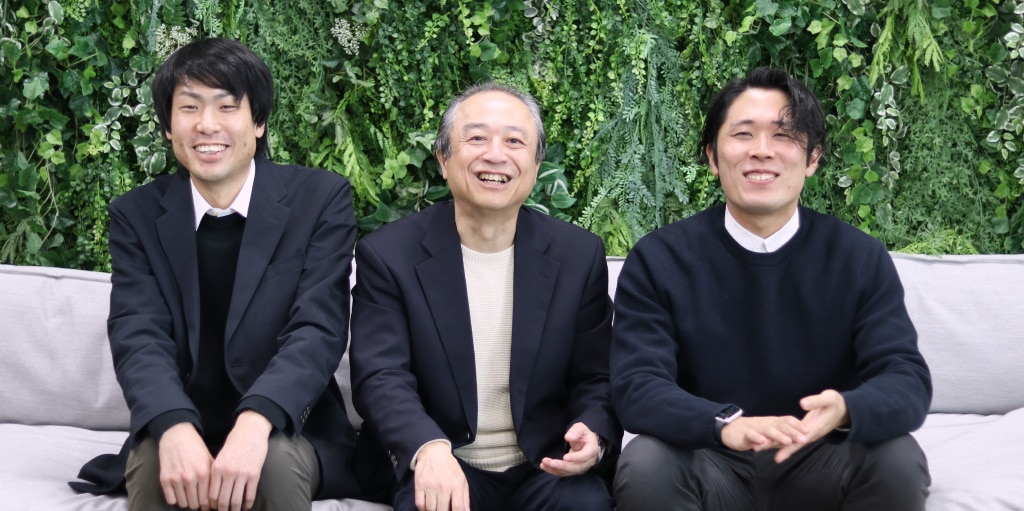
Fujitsu Limited
Mr. Masateru Awatsu (center)
Head of Software Open Innovation Business Unit
Development Department I, Data Management Division, Software Open Innovation Business Unit
Joined in 2018, age 32. Holder of OSS-DB Silver (2019) and OSS-DB Gold (2022) certifications.
Mr. Koshi Shibagaki (right)
Development Department I, Data Management Division, Software Open Innovation Business Unit
Joined in 2022, age 28. Holder of OSS-DB Silver (2022) and OSS-DB Gold (2024) certifications.
Interview with Fujitsu — The Unrivaled #1 in Number of OSS-DB Gold Certifications
Fujitsu Limited's Software Open Innovation Business Unit develops and sells middleware used for system integration projects and industry-specific solutions. Serving more than 40,000 customers in 52 countries worldwide with more than 10 million licenses, Fujitsu continuously supports social systems, cloud, and digital businesses across all industries, including finance, public sector, and government.
In recent years, amid the ICT system transformation driven by digital transformation (DX), the company has been a pioneer in offering products and services that quickly incorporate cutting-edge technologies, including in the database field. Fujitsu Enterprise Postgres, an enterprise edition built on PostgreSQL with enhanced security, performance, and reliability, has been adopted in mission-critical systems both in Japan and overseas.
Fujitsu is also the company that has continuously ranked #1 in the number of OSS-DB Gold certification holders since 2022. What kind of philosophies and frameworks lie behind this achievement?
This time, we spoke with three individuals: Mr. Masateru Awatsu, the Head of the Business Unit overseeing the middleware business; Mr. Hayato Kuroda, a recognized contributor to the PostgreSQL community; and Mr. Koshi Shibagaki, who obtained OSS-DB Gold certification in his second year at the company.
PostgreSQL’s Creators: A Team of Expert Engineers and OSS-DB Certification
First, we asked Mr. Masateru Awatsu about the significance of cultivating PostgreSQL engineers and the OSS-DB certification.
——What kind of organization is the Data Management Division?
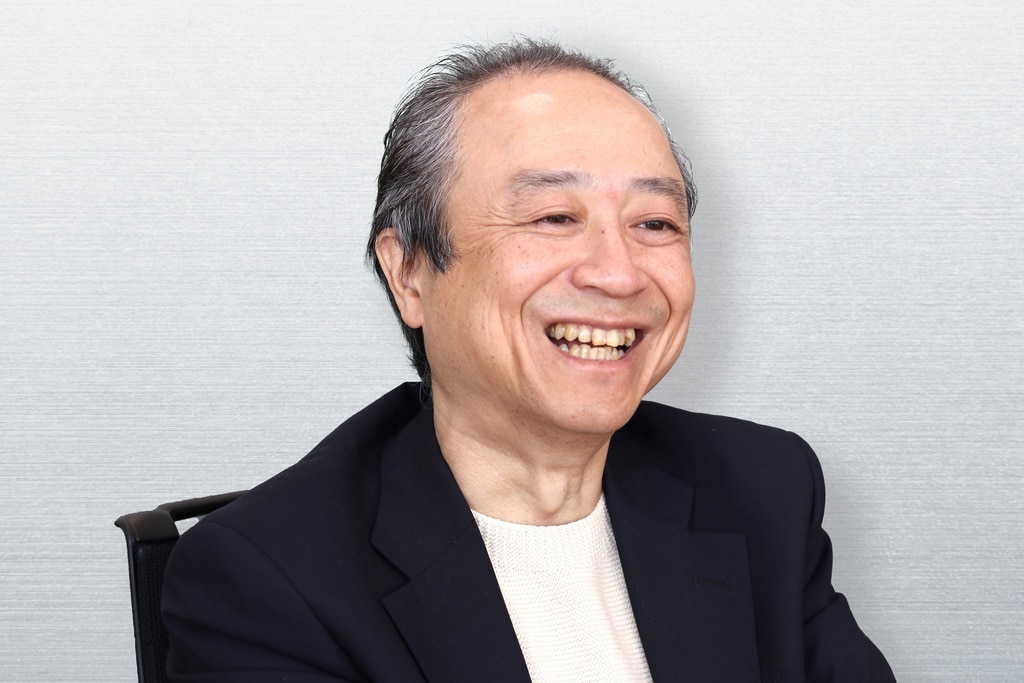
Awatsu It is an organization that develops database products. Broadly speaking, PostgreSQL engineers can be categorized into two groups: those who “use the database by writing SQL" and those who “develop and create PostgreSQL itself." Fujitsu has both types of engineers, not only in Japan but across the globe. For example, in seven countries worldwide, including India, the Philippines, Costa Rica, and Poland, we have numerous engineers involved with PostgreSQL across a wide range of areas, from utilization to development.
On the other hand, the primary role of the Data Management Division is to be on the creator side. It brings together engineers with a high level of specialization who can understand and develop database source code.
——What are the values being produced through your activities on the creator side?
Awatsu Our engineers are active as premier members of various OSS communities, including PostgreSQL, contributing to the evolution of OSS itself. Building on this, we develop and provide Fujitsu Enterprise Postgres, which adds mission-critical technologies to PostgreSQL. Fujitsu Enterprise Postgres complies with "FIPS 140," North America’s extremely strict security standard for cryptographic modules. Our key differentiating points are functional differences, support structure, and proven track record.
——In terms of track record, what kind of achievements can you share?
Awatsu Over the past three years or so, Fujitsu Enterprise Postgres has been adopted in mission-critical systems, including those of major Japanese banks, and we have likely achieved the highest level of stable operation for PostgreSQL in Japan.
——In recent years, have there been any notable trends in the functional and performance requirements for relational databases?
Awatsu
As the need to leverage generative AI grows, databases are no longer merely storage containers for data. They are now playing a core role in creating business value in collaboration with AI, and the processing and management of the massive amounts of data required for AI model training and operation will become increasingly important going forward. We have already implemented features that serve as touchpoints between databases and generative AI, such as support for MCP servers and utilization as RAG.
To continue producing such value, PostgreSQL developers need a high level of technical skill and adaptability that anticipates current trends.
*MCP: Abbreviation for Model Context Protocol, an open protocol that enables AI models to connect and communicate with external tools and data sources in a standardized way. By supporting this, generative AI can operate databases using natural language.
*RAG: Abbreviation for Retrieval-Augmented Generation, a method that enables more accurate and up-to-date responses by allowing generative AI to search and retrieve relevant information from external knowledge bases or data sources and utilize it as context when generating answers. This is made possible by implementing features such as vector search in databases.
——What specifically do you expect in regard to "a high level of technical skill and adaptability?"
Awatsu What we seek from our engineers goes beyond mere knowledge. It is, more profoundly, the ability to deeply understand PostgreSQL's architecture and be capable of developing enhancements for security, performance, and reliability. This includes not only backup and restore, redundant configurations, and performance optimization, but also the ability to deeply understand the system characteristics and needs of diverse customers, incorporating the latest AI technologies and making optimal technical proposals. In other words, we emphasize that engineers should not just be able to "use PostgreSQL," but rather be "engineers who can develop it with a deep understanding, support customers' systems to prevent downtime, and apply advanced technologies."
——So, you recommend OSS-DB certification to reach that level.
Awatsu Yes. There are three main reasons why we promote OSS-DB certification.
The first is responding to market needs for open-source databases. As OSS-DB adoption accelerates rapidly, human resources with deep knowledge and advanced skills are indispensable. The second is guaranteeing technical capabilities and quality, and gaining customers' trust. To continuously deliver the robustness, reliability, and high-quality services that customers demand, advanced skills are essential — from design and build to operation and troubleshooting. The third is supporting continuous skill enhancement and career paths for employees. We clarify career paths as OSS-DB specialists and encourage them to take on challenges in more advanced technical domains.
————Is the OSS-DB Gold level necessary for that?
Awatsu While Silver certification assesses general PostgreSQL knowledge, Gold certification assesses practical, advanced skills such as troubleshooting, tuning, and incident response in actual system operations. Obtaining Gold certification is one indicator that an engineer possesses advanced PostgreSQL operational and development skills.
————Are there any mechanisms you have introduced as an effort to improve overall technical capabilities?
Awatsu In order to eliminate dependencies on specific individuals, we systematically rotate responsibilities between PostgreSQL development and support roles. Unless we raise the overall skill level, we cannot keep up with technologies that are constantly becoming broader and deeper. Knowledge gained only through daily tasks can be biased. By learning systematically, that knowledge can be applied back to our work.
Products involve not only development work but also support work. In support operations, it is important to resolve issues as much as possible at the support desk. If issues cannot be resolved at the support desk, it requires intervention from developers who are central to product development, which diverts their focus from the development they should primarily be concentrating on. If we can resolve support cases at the earliest possible stage, developers can dedicate themselves to development. For this reason, it is necessary to raise the overall skill level and responsiveness across the entire support structure.
——Are there any incentives for obtaining certification?
Awatsu We do not have a bonus program. We believe that monetary incentives could potentially undermine intrinsic motivation. What matters is the sense of purpose in growing oneself through open technologies, and we review certification acquisition plans through regular 1-on-1 meetings. Basically, everyone on the PostgreSQL development team holds Silver certification or higher, and we strongly encourage them to obtain Gold certification.
——How effective has it been?
Awatsu In our domestic business, it has strengthened our brand power as a group of PostgreSQL professionals, directly leading to improvements in our proposal capabilities and service quality for our customers. Employees who have obtained OSS-DB certification are recognized as possessing knowledge and skills that meet the strict standards set by LPI-Japan, so customers can use our products and services with confidence.
In our global expansion, we are also considering promoting OSS-DB certification for our global members to enhance their skills, and we aim to increase our presence as PostgreSQL experts in overseas markets as well.
A PostgreSQL Contributor Speaks: "Gold Certification is the Shortest Path to Catch Up with Developers Worldwide"
Next, we spoke with Mr. Hayato Kuroda, who was recognized as a PostgreSQL contributor in January 2025. He is a world-class developer whose name is already listed on the official PostgreSQL web page — an impressive achievement for someone his age. He states his mission is "to increase the value of database OSS itself through my own development work, while also elevating Fujitsu's presence."
——Please tell us what you do day-to-day as a contributor.
Kuroda In the PostgreSQL community, all communication takes place on mailing lists. As developers, we constantly monitor these emails, looking for new discussions or replies. If a message calls for a follow-up, we join the discussion to deepen it. When proposing a new feature, I first summarize its background and intent and then post it in English to the "pgsql-hackers" mailing list. Once various comments start coming in, we engage in interactive discussions to refine and shape the feature. Additionally, providing technical reviews of proposals from other developers is also an important part of our activities.
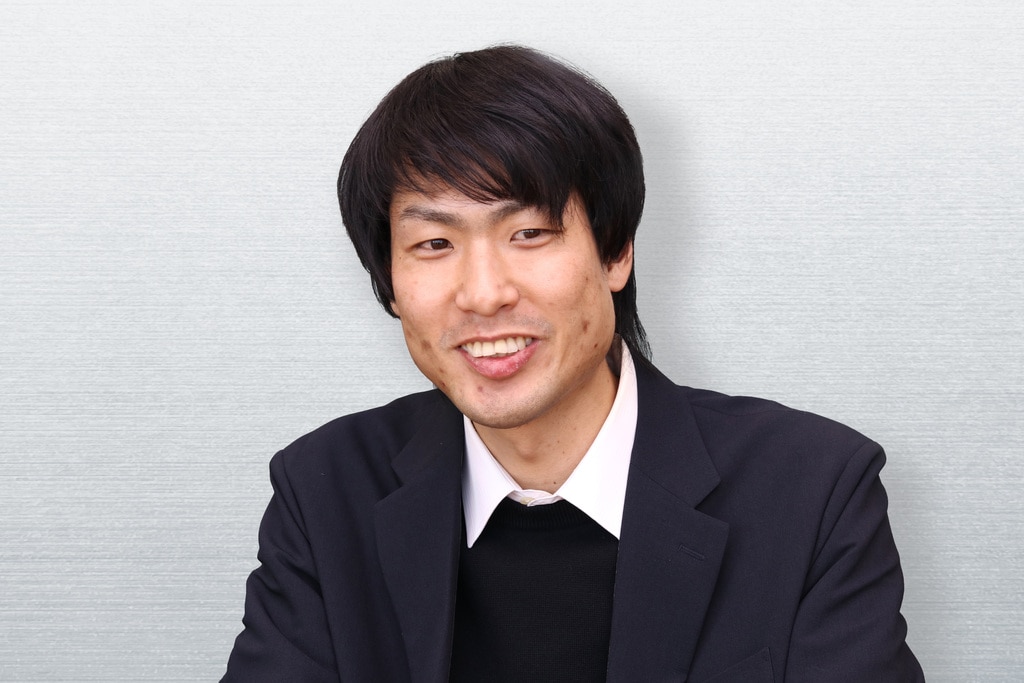
——You are currently focusing on developing an extension for PostgreSQL's logical replication. Could you tell us what kind of feature this is?
Kuroda In current standard PostgreSQL replication, the standby side cannot modify data. Logical replication aims to enable this. By abstracting information and replacing it with table-level changes, logical replication intends to enable the subscriber side to also receive data while reflecting changes.
——You also gave a talk at an international conference. What was the topic?
Kuroda It was related to logical replication, titled “Logical Replication -- Handling of Large Transactions.” In PostgreSQL's original mechanism, changes flow to the subscriber side only after data is committed, which caused significant latency when transactions were long. We improved this in two stages. In PostgreSQL 15, the mechanism was improved so the data would be transferred before the commit and then reflected once the commit occurs. And in PostgreSQL 16, we further strengthened this by introducing dedicated workers that apply received data immediately and in parallel, significantly improving performance. What I participated in developing and presented in my talk was this parallel apply.
——Has that actually been incorporated into the official version of PostgreSQL?
Kuroda Yes. It has already been incorporated in PostgreSQL version 16. It was the result of a team effort.
Mr. Kuroda, who is active globally as a contributor, says that obtaining OSS-DB Gold certification was a major turning point. He frankly recounts that when he began community activities in earnest in 2022, he struggled to keep up with discussions among overseas developers.
Kuroda Honestly, I could not understand at all what was being discussed in the posts to the mailing list. Beyond the coding itself, I struggled quite a bit — not being able to keep up with high-level technical discussions with team members, not being able to deeply understand review comments from developers around the world.
While feeling my own lack of knowledge about PostgreSQL, I discovered OSS-DB Gold certification as a way to learn systematically. OSS-DB Gold certification has sample exam questions with explanations that are publicly available, and there are also study materials and books for it. I thought that learning by following this approach would be the most efficient method, and I set my sights on obtaining it.
——How did you approach your learning process?
Kuroda It involved three steps: "solving sample questions," "reading the documentation," and "reading the source code."
First, I thoroughly worked through the sample questions and official question sets published on the web. This allowed me to objectively identify which areas are frequently tested and which fields I needed to improve my understanding of.
Next, for the parts I couldn't answer correctly, I read through PostgreSQL's official documentation. PostgreSQL's documentation is very carefully maintained, and because it is also translated into Japanese, it was easy to read through even highly specialized content.
——How did you approach the step of reading source code? The entire codebase probably exceeds a million lines.
Kuroda At first, I was just guessing based on the file names to find what I was looking for. However, as I progressed, I realized that the directory structure is organized by component. For example, under the source there is a directory called “backend,” and within that, there are further hierarchical directories like “replication” and then “logical”. I used this structure as a clue to navigate and understand the code.
——Specifically, what kind of processing did you investigate in the source code?
Kuroda For example, I used the source code to examine the flow from when a hot standby instance starts up until it actually begins receiving WAL records, and conversely the process of starting to send WAL records based on requests from the standby. This not only enabled me to consistently understand PostgreSQL's internal workings, from the specific flow to its external specifications, but also exposed me to its fundamental design philosophies and coding conventions. This was a major learning experience that directly contributed to my current development activities in the community.
——What changes have you experienced since obtaining OSS-DB Gold certification?
Kuroda Technical concepts and fundamental designs that had previously seemed difficult became clear, and I gained confidence in participating in community discussions. As a result, I’ve been able to make higher-quality code proposals and reviews, and that has led to my current recognition as a contributor.
Also, because the number of features I was unfamiliar with decreased, even when hearing about unfamiliar technical topics in English at conferences, I am now able to think, "Oh, right, there was a feature like that," and quickly grasp the context. With experiences like these, everything tends to sink in more easily.
——For young engineers aspiring to participate in community development, what would you recommend as a first step?
Kuroda First, read the documentation and try to find any issues or areas for improvement. This could even be something like an unclear explanation or a typo. It is very rewarding when your contributions are accepted by the community, and that success can be a great motivator.
——What are your goals for the future?
Kuroda I hope to establish a position where Fujitsu’s leadership is widely acknowledged in the field of logical replication that I am currently working on. Furthermore, I aim to be recognized as a major contributor or committer. Because I believe that consistency is the most crucial factor for gaining trust among developers in the community, I will continue to engage in high-quality development.
Also, by leveraging the systematic knowledge I gained through OSS-DB Gold certification, I would like to expand my scope beyond specific functional areas to cover a wider range of domains.
Obtaining Gold Certification in Second Year at Fujitsu — "Knowledge Connected Not as Dots, but as a Line"
The third interviewee is Mr. Koshi Shibagaki, who is in charge of feature development for Fujitsu Enterprise Postgres. He joined Fujitsu in 2022 and is 28 years old. He is a young engineer who obtained OSS-DB Silver certification in his first year and Gold certification in his second year.
——Please tell us about your current work.
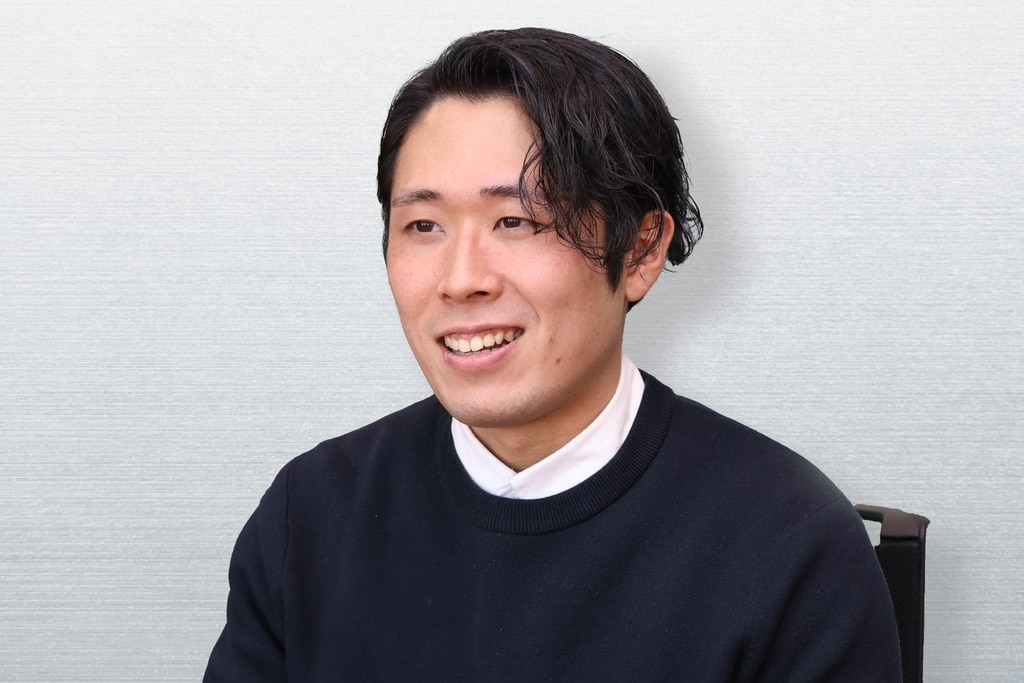
Shibagaki I am in charge of development of Fujitsu Enterprise Postgres. While leveraging PostgreSQL's strengths as an open-source solution, I implement functional modifications and performance improvements to its core, and develop proprietary extension features to meet our customers' diverse needs. In recent years, generative AI — and methods like RAG in particular — has attracted attention, and the need to leverage business data with generative AI has been growing. Accordingly, databases have evolved from being mere storage locations to playing a role as a knowledge base for AI to reference. In light of these changes, we are focusing on developing features specifically aimed for the use with generative AI.
——What specific features are those?
Shibagaki To safely leverage generative AI in business, we are incorporating features that, while minimizing the burden of setup and operation, allow data stored in the database to be connected directly to generative AI usage.
In RAG, internal company-specific data is converted into vector data, relevant information is extracted through similarity search, and those results are passed to the generative AI. The conversion to vector data requires processing such as passing data to an embedding model using Python libraries and performing tokenization, which can be somewhat complex. If these were implemented as tools on the application side, the burden of development and maintenance would increase. So, we provide this vectorization processing as a database feature. Inside the database, dedicated worker processes operate, and they acquire data at the time it is stored or modified, and automatically execute everything from feeding it into the embedding model to vectorization and storage into tables. Also, texts entered during similarity searches are vectorized by the same mechanism. The application side can use semantic similarity search simply by specifying text, without being aware of the vectorization.
As a result, vectorization is performed automatically at the time of data storage, and because it is automatically updated when data or query text changes, the labor required for preprocessing, such as ETL, can be significantly reduced. A major feature is the ability to consolidate preprocessing for leveraging generative AI in business applications on the database side. Also, the data handled by this feature is protected by existing security functions of Fujitsu Enterprise Postgres, including Transparent Data Encryption, allowing it to be used as safely as conventional business data.
*Vector data: Data that represents unstructured data such as text or images as arrays of numerical values (vectors) in hundreds to thousands of dimensions. This enables mathematical calculation of semantic proximity between data (similarity search).
*Embedding model: A machine learning model for converting data such as text into vector data. It captures the semantic features of the input text, converting semantically similar sentences into close vectors, and semantically distant sentences into distant vectors.
*ETL: Abbreviation for "Extract, Transform, Load," which refers to a series of data processing steps where data is extracted from its original source, transformed into a format suited to the purpose, and loaded into the target database or data warehouse.
——It’s quite fast to obtain Gold certification in your second year with the company.
Shibagaki Originally, I thought it would be good if I could get it by the end of my third year. However, seeing my peer obtain it in their first year changed my perspective.
I began to think, "I should also acquire a deep PostgreSQL knowledge and solidify my foundation for development much sooner."
——Please tell us about your study method.
Shibagaki Rather than simply memorizing commands and configuration items, I set my goal as being able to explain in my own words "what kind of processing is running behind that command" and "which process is responsible for what role."
For command-related areas, since I had many opportunities to execute them in my work, it didn't take too long to improve my accuracy. On the other hand, my understanding of the internal structure behind command execution was initially weak, and that was my challenge. Tuning and troubleshooting are areas where I had few chances to encounter them in my work, and they require a lot of knowledge and experience. So, this is where I particularly struggled.
It happened to be just when the official study materials had come out, so I first went through those and then deeply explored the parts I didn't understand. After grasping the background and overall picture with the official documentation, I organized my knowledge with books and LPI-Japan-endorsed materials, and finally checked "why this behavior occurs" in the source code — in that order, I deepened my understanding.
——Why is it necessary to delve into the source code for certification exam preparation, as it seems like a high hurdle?
Shibagaki If passing the exam is the only goal, study materials alone might be enough. However, we are not just users; we are developers. After passing, we have to create things. In that case, it is better to deeply understand how things work behind the scenes. That is why I took a study method that went as far as reading the source code.
——What changed after obtaining OSS-DB Gold?
Shibagaki The biggest change is that my PostgreSQL knowledge connected not as dots but as a line. With a systematic understanding, I became more actively involved in technical discussions in development work and could offer more constructive opinions. For example, when discussing the behavior of a specific function, I could offer my opinions while deeply considering the performance impact and coordination with other functions, based on my understanding of the internal structure.
Also, even when I face unclear points or challenges, I can now accurately pinpoint, "For this function, there might be a hint in this section of the official manual, or around this part of the source code." This has significantly reduced the time taken to solve problems, and also has led to improved development efficiency.
——Please tell us about your future career.
Shibagaki In addition to product development, I also would like to contribute to the OSS community. Improving our own products and contributing to the community are by no means conflicting goals — rather, I believe they are closely intertwined.
If upstream issues are resolved in the community, it directly leads to improvements in product quality. I want to give back the insights gained in product development to the community and make concrete contributions such as bug fixes, documentation improvements, and sharing of verification results. I hope to experience the satisfaction of knowing that features I have created are being used worldwide.
Gold Certification: To Understand the Whole Picture
Finally, we asked Mr. Awatsu for a message directed at executives of other IT companies.
Awatsu Customers will increasingly seek open, de facto standards and solutions. Even among large-scale customers, multi-vendor environments are increasing, and a trend is emerging where they are establishing standard specifications rather than adopting products from each vendor individually. It is OSS that is chosen as that standard. I believe that leveraging OSS should be the first consideration.
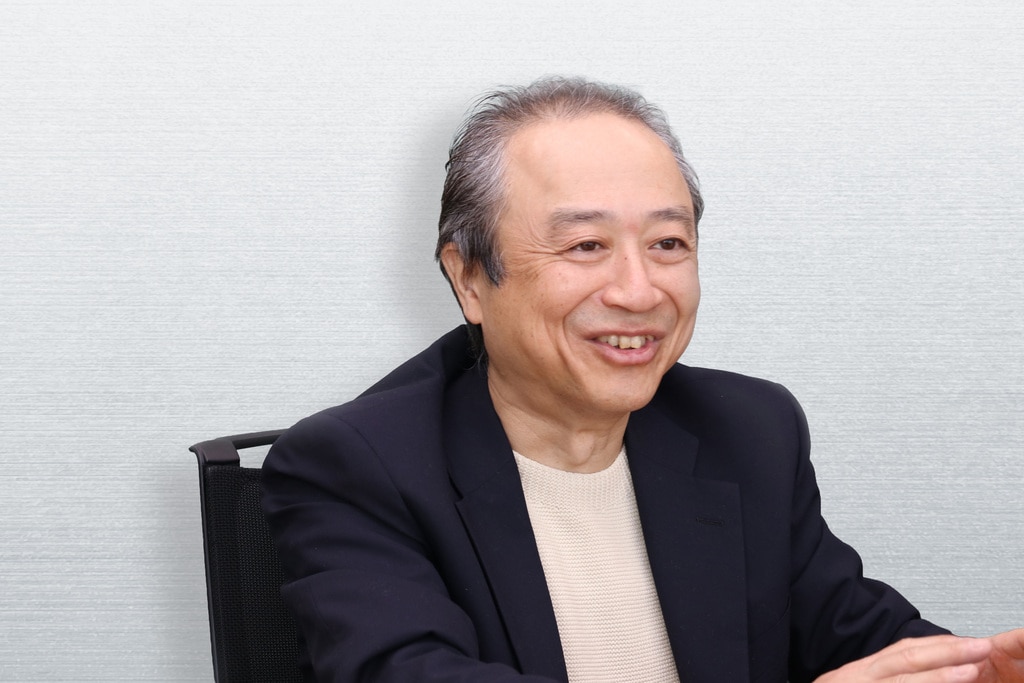
Mr. Awatsu also spoke as follows to young engineers:
Awatsu If you only focus on vendor-specific certifications, your progress will be limited. Open technologies are a common denominator and will be in even greater demand in the future. The need among customers to avoid vendor lock-in will only grow stronger.
We also asked Mr. Kuroda and Mr. Shibagaki for messages to those who aim to obtain OSS-DB Gold certification.
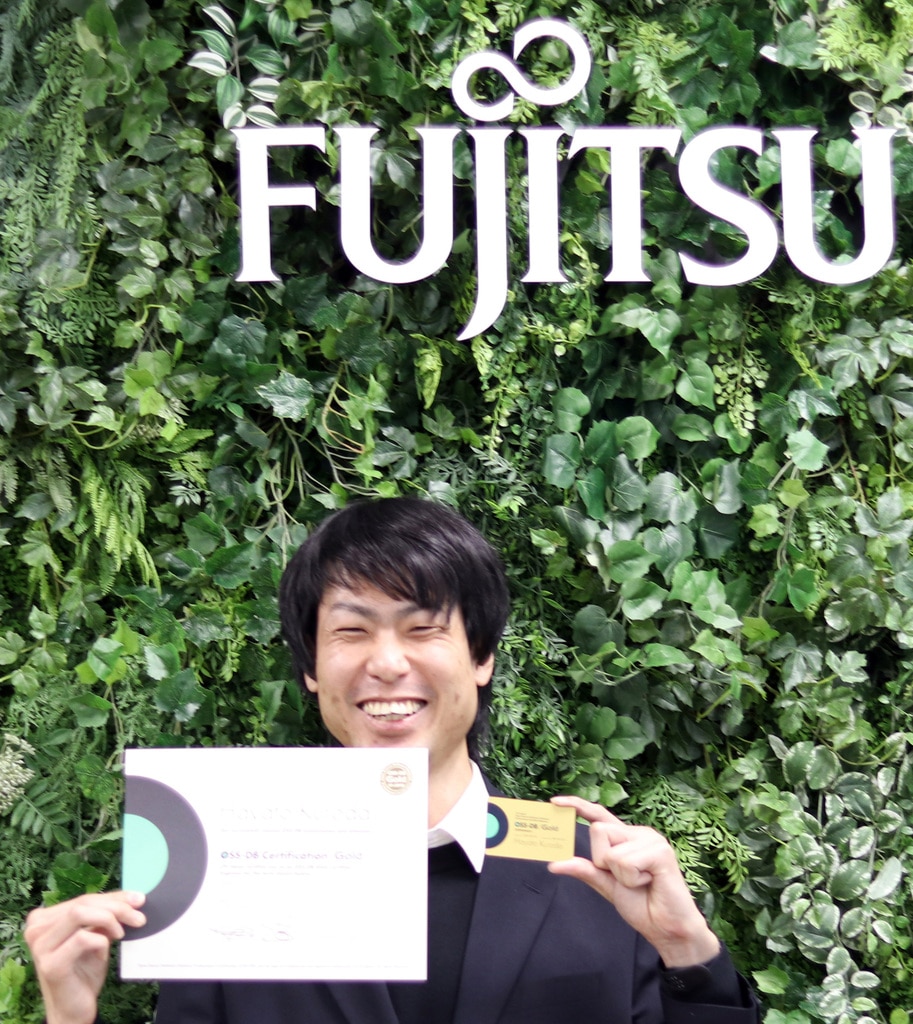
Mr. Hayato Kuroda Holder of OSS-DB Gold (2022)
Kuroda I believe OSS-DB Gold is both the best textbook for PostgreSQL and the shortest path to catching up with developers worldwide. Through studying for the certification exam, let’s accumulate the knowledge needed to discuss with engineers at the cutting edge of modern technology.
Shibagaki I think OSS-DB Gold is a certification exam that delves into profound content, where superficial knowledge or rote memorization simply won’t suffice. That is precisely why the sense of accomplishment when you obtain it, and the depth of the knowledge you gain, are immeasurable. It is important to take it on with deep understanding of "why things are the way they are" and "how they work internally." Reading the official documentation, systematically organizing knowledge with books, and finally confirming the operating principles in the source code —— I believe this multi-faceted approach will reliably lead you to success.
Both Mr. Kuroda and Mr. Shibagaki, two developers who confront source code directly, unanimously spoke about the importance of fundamentals. Mr. Kuroda stated, "What is popular today will be obsolete tomorrow," and Mr. Shibagaki continued, "If you know fundamental technologies, they can be applied in many different areas. The first step is to grasp the fundamental parts that have been used for a long time."
OSS-DB certification requires renewal every five years. How do they feel about this renewal?
Kuroda PostgreSQL's support period is also five years, so by the time five years have passed, the knowledge may have become outdated. I think it is correct to say that one needs to learn again. For those actually developing, we are constantly tracking the latest information daily, so it becomes a good opportunity to review a broad range of knowledge.
What was particularly impressive in this interview was the fact that even world-class engineers, like PostgreSQL contributor Mr. Kuroda, found OSS-DB Gold indispensable. Mr. Kuroda stated, "It enabled me to propose and review higher-quality code, leading to my contributor recognition," and Mr. Shibagaki expressed his feeling that "knowledge connected not as dots but as a line, greatly shortening the time to solve problems."
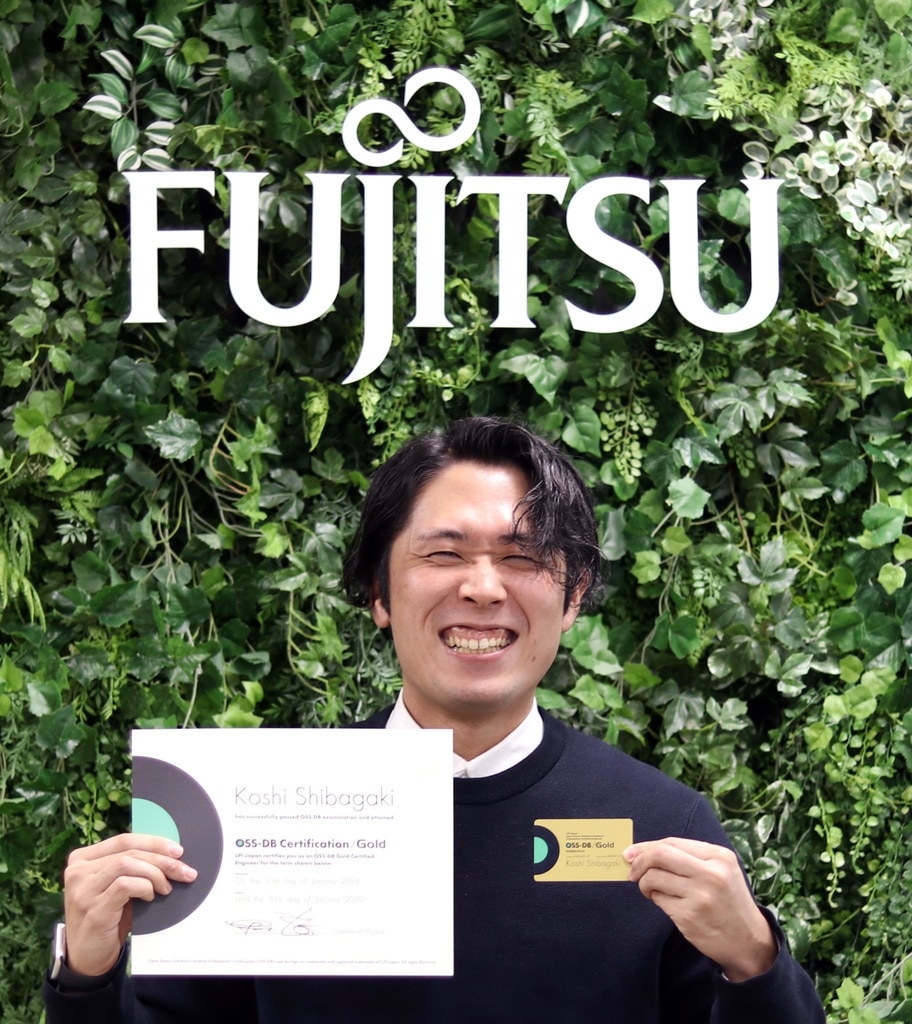
Mr. Koshi Shibagaki Holder of OSS-DB Gold (2024)
It is precisely the most exceptional individuals who seek to understand the whole picture. And for that pursuit, OSS-DB Gold stands as the paramount pathway.
Company Overview
■Company name:Fujitsu Limited
■Founded:June 20, 1935
■Headquarters:4-1-1 Kamikodanaka, Nakahara-ku, Kawasaki-shi, Kanagawa 211-8588, Japan
■Business description
・Service solutions
・Hardware solutions
・Ubiquitous solutions
■URL:https://global.fujitsu/en-global
LPI-Japan Platinum Sponsors


© EDUCO All Rights Reserved.